Cogswell Shake-Up
Last Updated on Tuesday, 21 May 2013
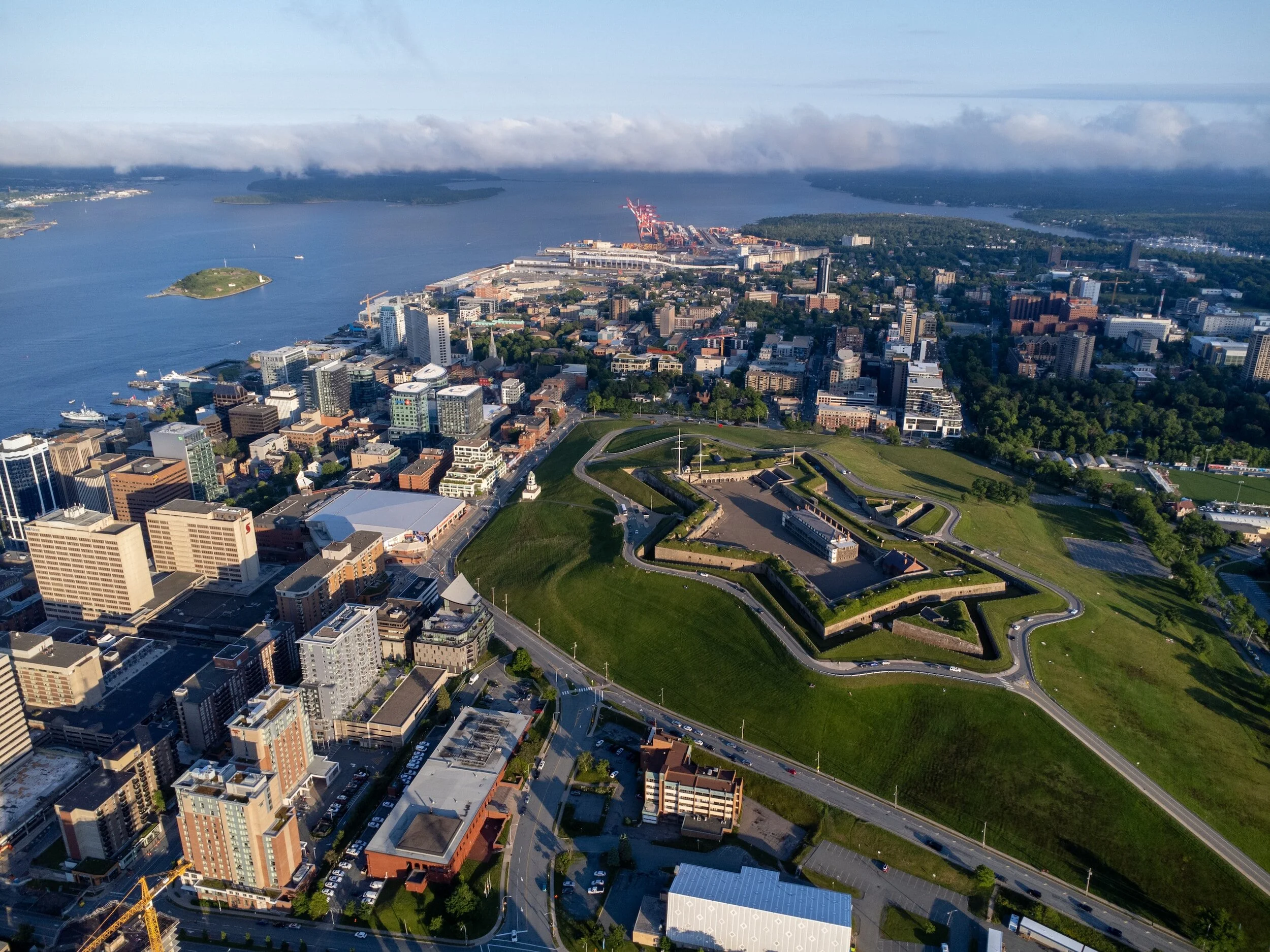
The Alliance participated in the Strategic Urban Partnership's Cogswell Shake-Up event on Thursday May 16th, 2013. Held at the Marriot Waterfront, organizations were asked to present their view of what Cogswell could become once the infrastructure for the old exchange is removed (in the late 1960s/early 1970s, the Cogswell was built as part of the first phase of the planned Marine Drive highway. Public opposition was able to stop the development of the highway itself.). The removal of the existing infrastructure will free up to 10 acres of land in downtown.
Our HRM Alliance used one of the street layouts (3C) from a 2004 Vaughan Engineering study. To that, we added a transit terminal, greenspace, community gardens, and residential and commercial space. All buildings were between 5 and 8 stories. Most of the buildings were mixed use, with residential on top of commercial and the transit station. Green roofs and solar panels were on top.
Presenting our idea to a Dalhousie urban field studies class, the idea of adding greenhouses to use the excess heat produced by the nearby sewage treatment plant was added.
Check out the pictures.


Cogswell Interchange
Last Updated on Friday, 17 May 2013
The Cogswell Shake-up brought out fabulous ideas of how we can remake what is now a highway interchange into useable public space. Check out Jen, Meredith and Emily on Global News from last night here.
Why wouldn't HRM want to save nearly $3 billion?
Last Updated on Friday, 03 May 2013
Why wouldn't HRM want to save nearly $3 billion, we ask? A recent Stantec report investigating alternative growth scenarios in the municipality discovered that if HRM was to meet the growth targets set out in the RMPS, the municipality could save over $670 million through 2031. If HRM was to strengthen the growth targets and develop more in the urban core, they could save nearly $3 billion over the life of the RMPS. Read Our HRM Alliance's press release here, and read the full Stantec report here.
Canada's Threatened Places: Blue Mountain-Birch Cove Lakes
Last Updated on Friday, 12 April 2013
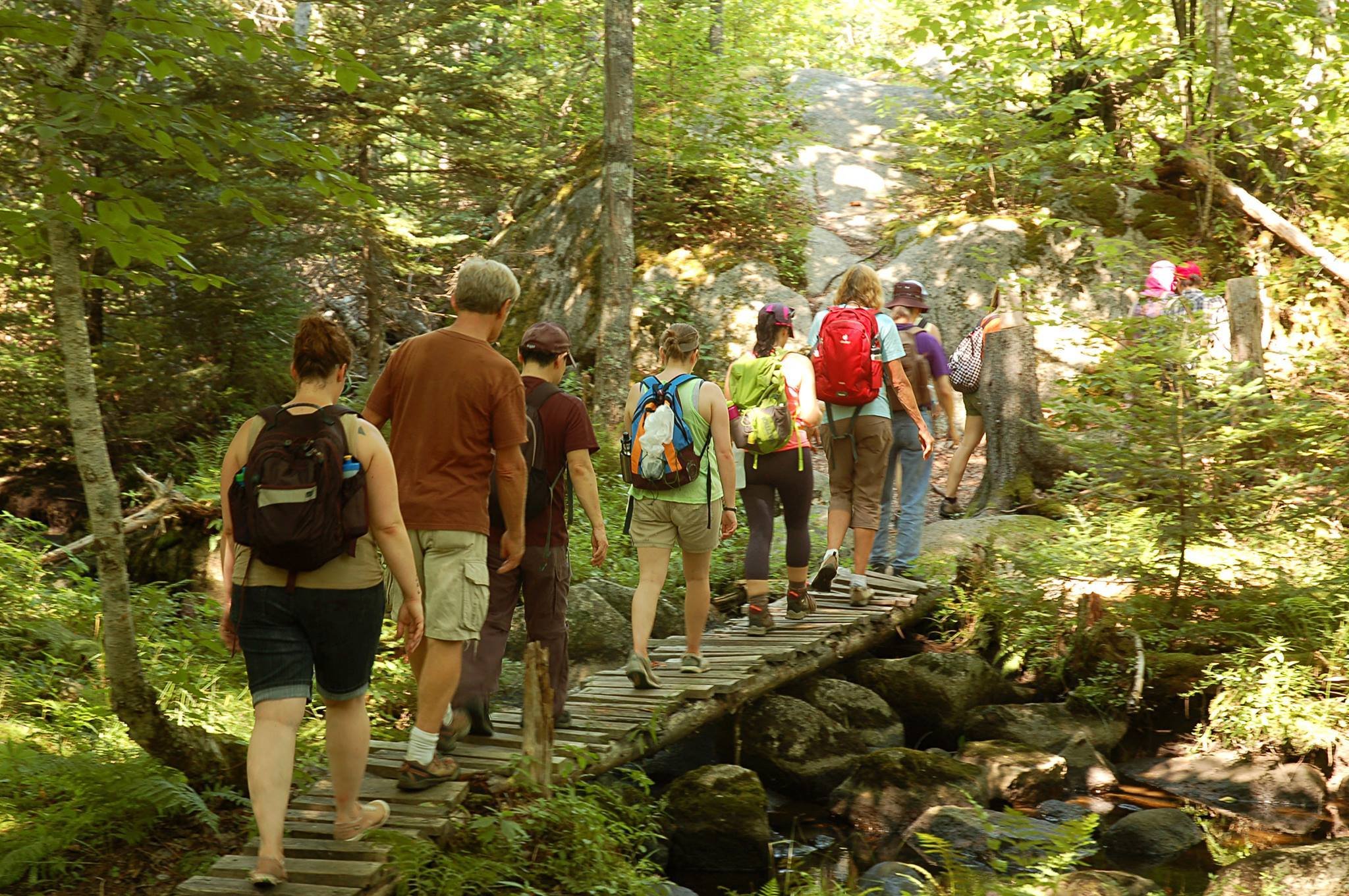
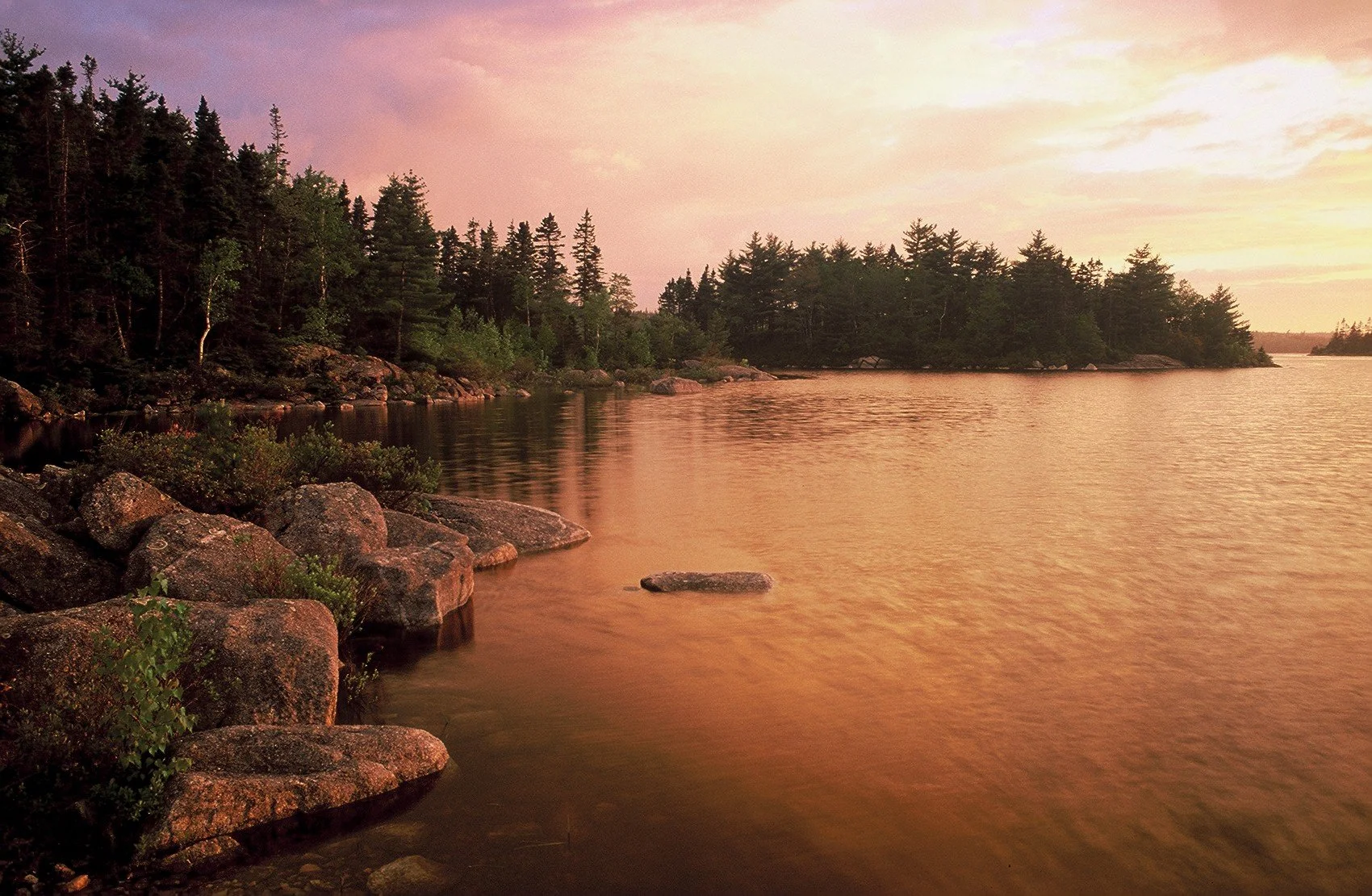
Explore Magazine recognized Blue Mountain-Birch Cove Lakes as one of the most threatened natural places in Canada. We really should recognize what great things we have in our own backyard. Read article here.
The province of Nova Scotia is currently asking for feedback on Blue Mountain-Birch Cove Lakes. Visit their website to have your say.
Urban sprawl and paved paradise threaten clean fresh water today and tomorrow, says leading expert
Last Updated on Thursday, 21 March 2013
March 17, 2013 - While nine-in-10 (90 percent) of Canadians believe that an extreme weather-related disaster is possible in their community, town or city, few are aware of the consequences if excess water caused by rain and snow storms is not managed properly. In towns and cities across Canada, paved surfaces, overloaded storm water management infrastructure and extreme weather conditions dramatically increase the challenge of managing excess water caused by storms.
"Extreme storms have a direct impact on water, as storm water runoff can drag contaminants into local waterways and pollute water bodies that are important for recreation and water supplies," says Bob Sandford, chair of Canadian Partnership Initiative of the UN Water for Life Decade. "All the impermeable surfaces in cities create the ideal condition for excess water to overwhelm our already strained municipal storm water systems. Municipalities, property developers and homeowners must work together to better manage storm water."
Ahead of World Water Day on March 22, the sixth annual 2013 RBC Canadian Water Attitudes Study, commissioned by the RBC Blue Water Project and administered by GlobeScan, found that while two-thirds of Canadians (68 percent) say that we should be prepared for the possibility of a major disaster that affects storm water management systems, only one-in-five (19 percent) believe that major actions are required now.
What are Canadians willing to do to help?
This is not just a municipal planning issue. Sandford says that individual Canadians could be doing their part to manage excess water from rain and snowstorms around their homes now. Yet, according to the study, few Canadians have taken preventive measures such as landscaping with grading (23 percent) or replacing paved surfaces with water-permeable materials such as interlocking stone or gravel (seven percent).
Paved and impermeable surfaces are part of the problem. Half (47 percent) of Canadians say their 'ideal' house has a paved driveway or yard – and the majority of these wouldn't change this preference even when told about the positive impact of permeable surfaces, which allow rainwater and melted snow to seep slowly into the ground rather than causing polluted runoff. Only one-in-ten (12 percent) Canadians indicated that they would replace paved surfaces with water-permeable materials such as interlocking stone.
"Canadians continue to have a love affair with paved driveways, and there's a serious trickle-down effect. With impermeable sidewalks, roadways and parking lots added to the mix, we've actually created the ideal condition for excess water to overwhelm our already strained municipal water and storm water systems," says Sandford.
According to the study, most Canadians say that they plan to take measures to help prevent water damage in and around their home in the coming year such as maintaining eavestroughs and downspouts (64 percent) and adding landscaping such as grading (33 percent).
"In most cities across Canada, infrastructure is crumbling and in urgent need of replacement or repair. It's time for a wake-up call," says Sandford. The Federation of Canadian Municipalities estimates cost of replacement for drinking water, wastewater and storm water infrastructure reported to be in 'fair' or 'very poor' condition to be approximately $80 billion.
A large majority of Canadians (78 percent) continue to trust that their municipal water infrastructure is in good condition and don't see a need for major investments. Despite this confidence, just 15 percent of Canadians admit to being 'very aware' of the condition of their municipal water infrastructure. Additionally, an overwhelming number of Canadians (80 percent) are not willing to pay for necessary storm water management system upgrades.
Highlights of the Study
Canada's most important natural resource
• Forty-seven percent believe fresh water is Canada's most important natural resource, down from 55 percent in 2012.
• Sixteen percent say agricultural land is most important.
• Fifteen percent believe oil is Canada's most important, except in Alberta, where 41 percent thought oil was most important.
Water conservation behaviours
• Sixty-nine percent of Canadians are trying reasonably heard to conserve water, slightly down from 71 percent in 2012.
• One-in-10 Canadians use an automated sprinkler system.
• Thirty percent of Canadian homeowners use rain barrels or other devices to collect rainwater runoff.
Pavement/Driveways
• Fifty-four percent of Canadians have paved driveways.
• Forty-seven percent say their ideal house has a paved driveway.
• Sixty percent of 18-34 year olds would give up a paved driveway to help water management.
• Only 24 percent of urban dwellers have unpaved or water permeable driveways
Page 1 of 5
Latest Tweets
Alliance News
Upcoming
At Wednesday's CDAC meeting, they announced that public consultation will happen in three locations: Preston, Fall River, and Clayton Park on June 10, 12 and 13. They all will be in an open house style. A fourth town hall style consultation will be held on June 17th in Dartmouth. Please prepare to go to these. We will circulate a list of points we want raised next week. Personally, the question I want answered is why is HRM extending water when they know that such moves will cost them over $3 billion in the long run?
Support the Bluenose Marathon this weekend, whether you're running, watching, or donating, it is a huge help. The Ecology Action Centre Green Avengers will be there. Donations can be made here.
Shameless plug for EAC's Garden Party on June 2nd at the Saint Mary's Yacht Club. See details here.


Groups from the rural, suburban and urban core of Halifax Regional Municipality (HRM) have come together to help make the municipality a better place through the Our HRM Alliance. The exact number of groups in the Alliance keeps increasing, but a group of six organizations form the Steering Committee.